Tom Moylan on Sunday, 1st February 2026
Domestic Vs Offshore PCB Assembly
Which Offers The Best Value For Your Project?
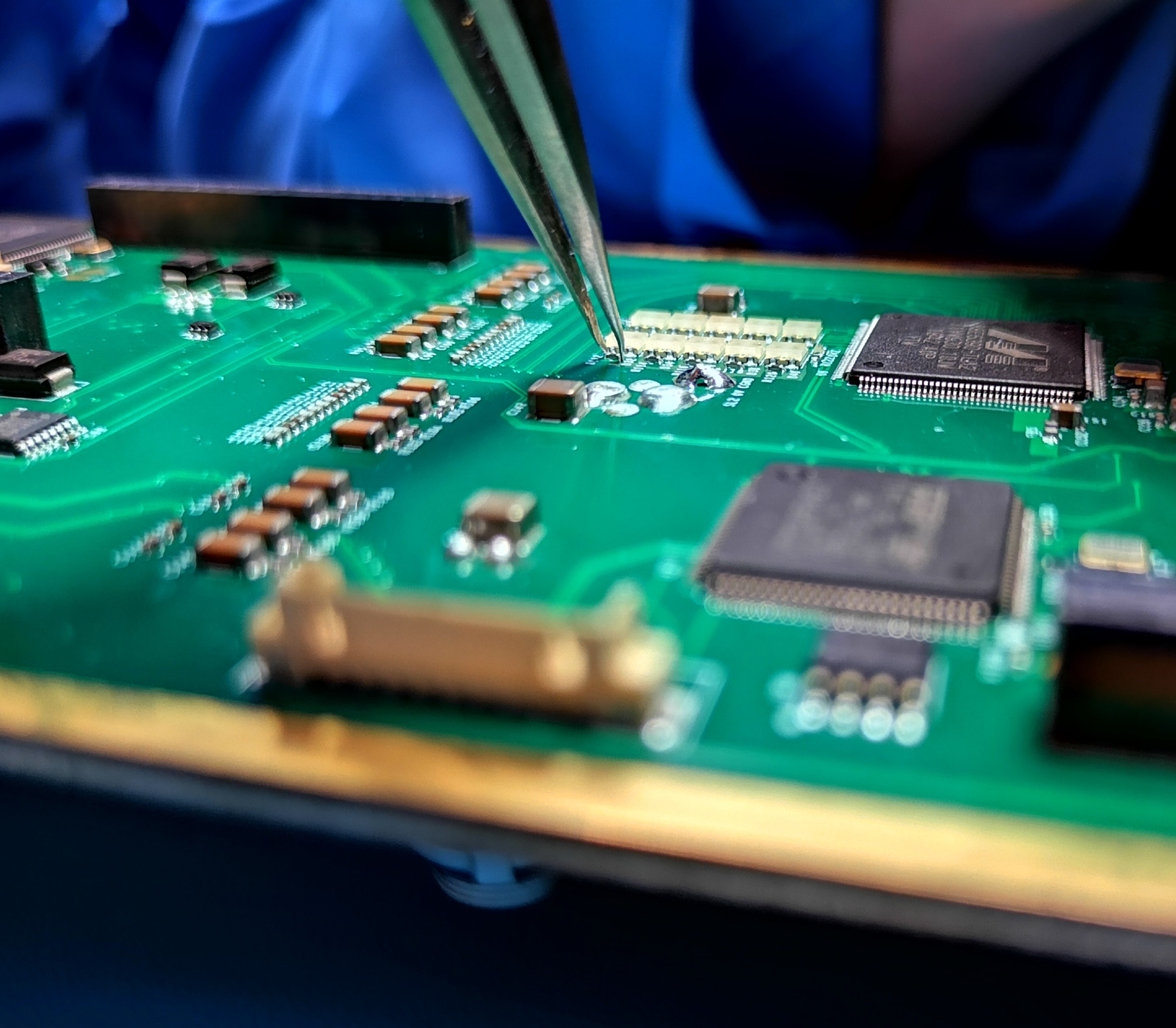
Once a board design reaches the stage where it can oe manufactured For marker. It is time to decide where to have this done. Finding a good partner to outsource the work to is an important next step in the process. Using low labour costs as the main driver to choosing a partner may not always be the best option; there is more to the debate when deciding where to outsource your manufacturing work.
The debate on onshoring/offshoring manufacturing work has became a more frequently discussed topic as a result of the effects that Coronavirus and Brexit had on the market, and more recently with the issues surrounding international trade and tariffs.
The fragility of offshore supply chains was highlighted in 2020/2021, prompting many design companies to consider bringing electronics manufacture back to the UK and explore supply chains that have previously been overlooked, and this is looking even more sensible in 2025/26. The advantages to manufacturing electronics onshore include:
• Keeping intellectual property close to home
• More manageable shipping costs and shipping lead times
• Easier collaboration with supplier (language and time zones)
There are of course advantages to offshoring manufacturing work, not least that the material supply chain is predominantly located in Asia, leading to a larger, more accessible 'local' supply chain to source raw materials from, often at a lower cost. However, onshore kitting firms utilise a large network of well-established, reliable UK suppliers that can often tap into this offshore supply chain to obtain equally good pricing on a large range of electronic components.
It is worth considering that year on year, the offshore manufacturing wages increase while the productivity of domestic manufacturing continues to improve. There are regular commitments of support from the UK governmentto boost manutacturing productivity, with many UK manufacturing firms now looking to invest in technology and improve or expand their business.
Mitigating the risk of intellectual property theft is an important factor when weighing up the onshore/offshore options. The UK and EU have much tighter privacy and patent laws than many offshore manufacturing locations. Having spent many hours designing, manufacturing, testing and developing your product, it is very disagpointing to then see a cheap copy of it avalladie to buy. This could result in a complicated legal battle or struggling to compete in the marketplace.
Quality is another driving force in determining where to have your product produced. Collaboration with offshore manufactures is inherently limited with cultural differences and lanquage barriers potentially leading to miscommunication, misunderstandings and costly mistakes or delays. In adaition to unis, ume alterences with overseas manuracturers can limit une cooraination recuired for a complex manufacturing project.
Volume or production may also influence the decision to choose onshore or offsfore. there are notable savings for large-volume PCB production runs, which offshore facilities are optimised for dealing with. Smaller volume runs and prototypes are less likely to be good value for money when taken offshore as the manufacturing facility is unlikelv to deviate Trom their volume manuracture practices and will often implement minimum order quantities. Additionally, the expense of essential supervision or auditing visits from domestic staff can quickly wipe out any financial gain. Any issues witn a more local manuracturer can be quickiy resolved to ensure a high-quality product is manufactured to the exacting specification required.
Get In Touch
If your company is preparing to outsource a new electronics project and is struggling to decide whether to onshore or offshore the work, please get in touch with HGL Systems to discuss your requireements. HGL Systems can help determine which option will better suit your project as we are able to broker work outshore as well as manuracture onshore.
You May Also Like
The Pros & Cons Of Rapid Prototyping
Rapid prototyping is appealing to start-ups, not least because of the prospect of fast concept testing and quicker time …